Source lash extension table for SPA, Beauty Salon, and Home Use
Compare 30 lash extension table options from verified Chinese suppliers. Buyers can evaluate acrylic and wooden designs, adjustable features, and customization services for professional beauty and medical applications. Explore various colors, thicknesses, and folding mechanisms to find the perfect fit for your business needs.
Key considerations
Products List
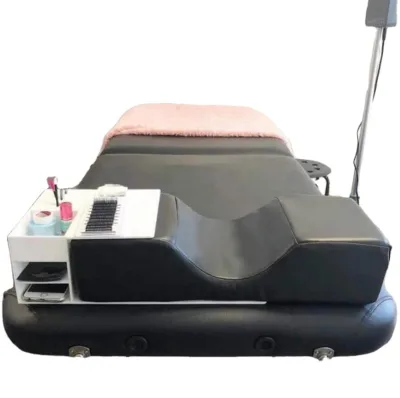
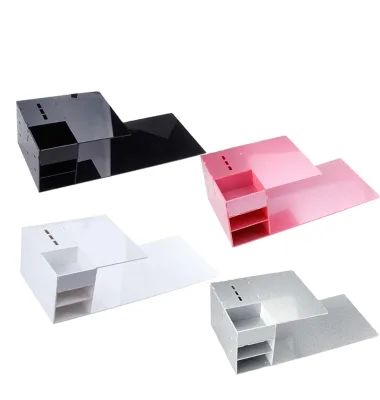


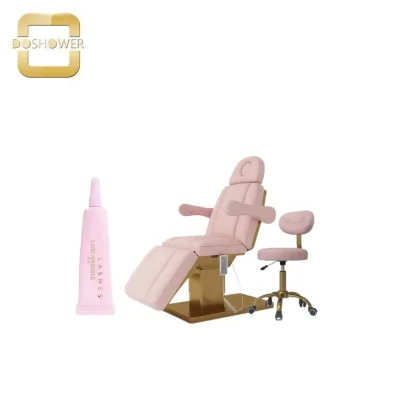
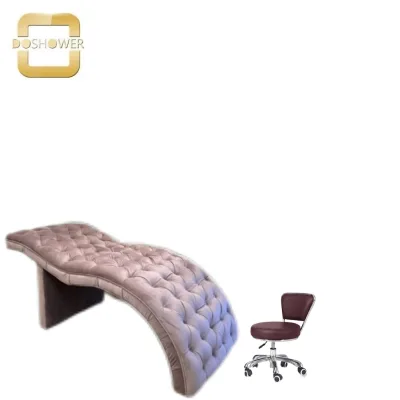
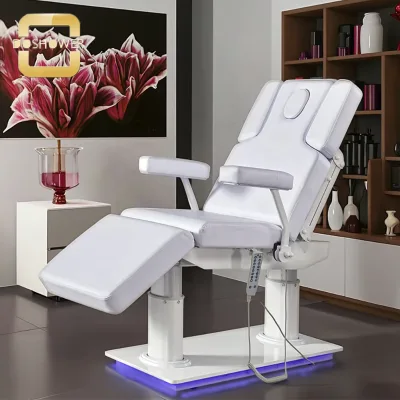

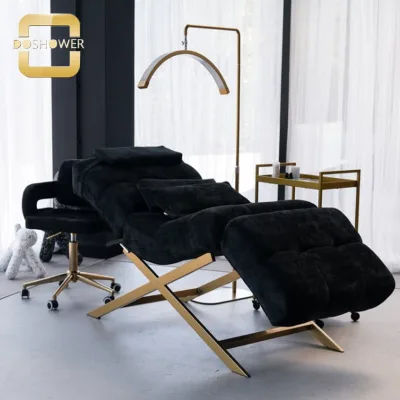
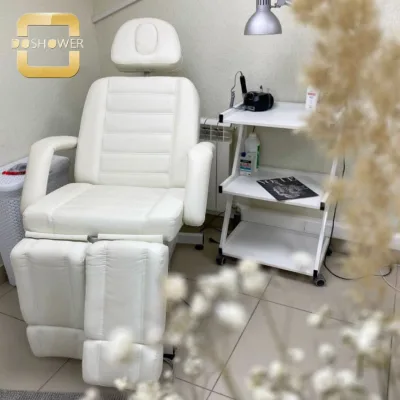


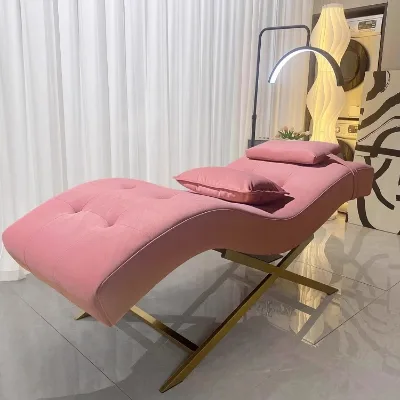
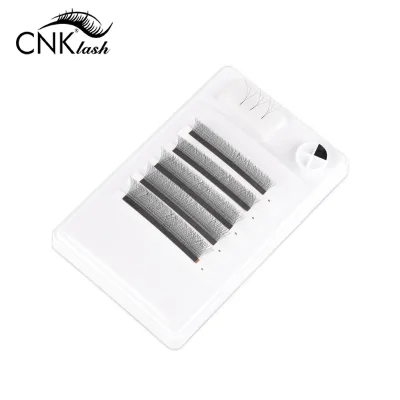
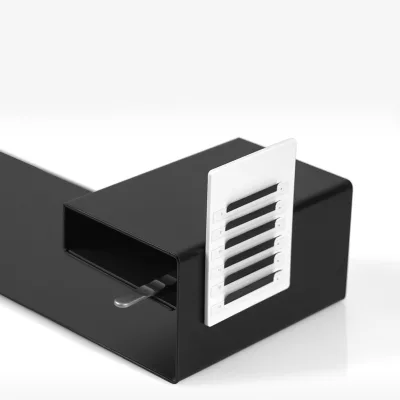
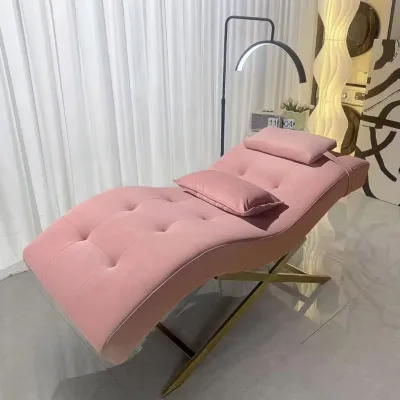
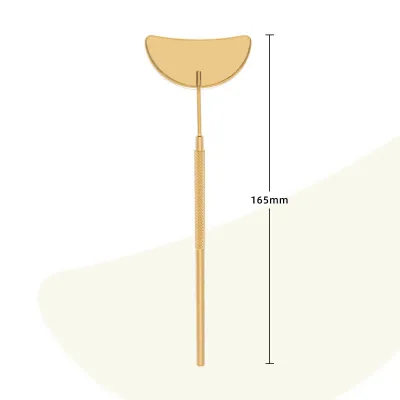


Comprehensive Sourcing Guide
Lash Extension Table Sourcing Guide
Procuring the right lash extension table requires balancing ergonomic design with durable material selection to ensure both technician comfort and client satisfaction. The market offers diverse options, ranging from portable folding beds to stationary acrylic stations, each serving distinct operational needs. Buyers must first define their primary use case, whether for high-volume salon environments, mobile beauty services, or specialized medical aesthetics. Understanding these applications helps narrow the field to products that align with specific workflow requirements and spatial constraints.
This guide focuses on key decision points for sourcing lash extension tables, emphasizing technical verification and supplier qualification. By examining observed listing signals and standard specifications, buyers can avoid common pitfalls associated with mismatched product attributes. The following sections provide a structured approach to evaluating product scope, verifying technical details, and ensuring long-term value through rigorous quality control measures.
Product Scope and Observed Listing Signals
The current market presents a wide variety of lash extension tables, including acrylic pillow tables and folding wooden massage beds. Observed listings indicate a broad color palette, with options ranging from clear white and black to customizable hues like blue, pink, and gold. These aesthetic choices allow businesses to align their equipment with brand identity, while the availability of OEM and ODM services supports unique branding needs. Buyers should note that product names often overlap, such as "tattoo bed" or "massage table," requiring careful scrutiny of actual dimensions and features.
Supply capabilities vary significantly among manufacturers, with some offering up to 5,000 pieces per week, indicating robust production capacity for large orders. The observed minimum order quantities typically range from one to one hundred units, providing flexibility for both small startups and established chains. Packaging details are critical, with many suppliers using poly bags, foam, and strong inner boxes to protect acrylic surfaces during transit. Buyers must verify if the listed packaging meets their logistical requirements to prevent damage upon arrival.
Technical Specifications to Verify
Thickness and material composition are primary technical factors, with acrylic tables often specified at 3mm or customizable thicknesses to balance weight and durability. Folding wooden models frequently feature high-density sponge padding covered in PU leather, ensuring client comfort during extended procedures. Buyers should verify exact dimensions, such as the 180cm length and 60-70cm width observed in some listings, to ensure compatibility with standard treatment rooms. Adjustable features, including leg, backrest, and height adjustments, add versatility but require mechanical inspection to confirm smooth operation and stability.
Model numbers like LZ64, LZ65, and E-E620 help distinguish between product lines, but buyers must cross-reference these with actual product images and descriptions. Some tables are designed for fixed use, while others offer rotary or unfixed configurations, impacting mobility and setup time. The presence of armrests or their absence affects technician ergonomics, so this detail must be explicitly confirmed. Additionally, folded dimensions, such as 966621 cm, are crucial for buyers with limited storage space or those requiring frequent transport.
Compliance and Safety Documentation
Safety compliance is paramount for equipment used in close proximity to clients' eyes and skin. Buyers should request documentation verifying that materials, particularly PU leather and internal padding, meet relevant chemical safety standards for beauty and medical devices. While specific certification statuses are not universally listed, suppliers should be able to provide test reports for flammability, formaldehyde emissions, and material toxicity. This documentation ensures that the equipment does not pose health risks during prolonged use in well-ventilated or enclosed salon environments.
Structural integrity is another critical safety aspect, especially for adjustable tables that bear significant weight. Buyers must verify that load-bearing components, such as hydraulic lifts or folding mechanisms, have undergone stress testing. Documentation should confirm that the table can safely support the combined weight of the client and any additional accessories. Inquiring about warranty terms related to structural failure or material degradation provides an additional layer of protection, ensuring that suppliers stand behind the safety and durability of their products.
Cost Drivers and Commercial Terms
Several factors influence the final cost of lash extension tables, including material quality, customization options, and order volume. Acrylic tables with custom colors or logos may incur higher production costs due to specialized molding processes. Similarly, folding wooden tables with high-density padding and PU leather finishes often command a premium over basic models. Buyers should analyze the price range, which can vary from $0.44 to $1000 depending on specifications, to identify the best value for their specific requirements without compromising on essential features.
Commercial terms, such as payment methods, shipping costs, and lead times, significantly impact the total procurement cost. Suppliers based in regions like Shandong and Henan, China, may offer competitive pricing due to localized manufacturing advantages. However, buyers must account for logistics expenses, including port of dispatch fees from locations like Qingdao. Negotiating bulk discounts for orders exceeding standard MOQs can further reduce per-unit costs, making it essential to plan purchases strategically to maximize budget efficiency.
Supplier Qualification and Quality Control
Evaluating supplier qualifications is essential to ensure consistent product quality and reliable service. Buyers should verify the supplier's production capacity, such as the observed ability to supply 5,000 pieces per week, to confirm they can meet demand without delays. Checking for OEM/ODM capabilities indicates flexibility in customizing products to specific brand needs. Additionally, suppliers with a history of exporting to diverse markets may have more robust quality control processes in place, reducing the risk of receiving defective or non-compliant items.
Quality control measures should include pre-shipment inspections to verify dimensions, material integrity, and functional components. Buyers can request sample units to test adjustability, padding comfort, and surface durability before committing to large orders. Establishing clear communication channels with suppliers ensures that any issues are addressed promptly. It is also advisable to review supplier feedback and ratings to gauge their reliability in terms of product consistency and customer service responsiveness.
Long-Term Procurement Checks
Long-term success in sourcing lash extension tables depends on ongoing supplier performance monitoring and product lifecycle management. Buyers should regularly assess the durability of materials, such as the resistance of PU leather to wear and tear, to ensure continued client satisfaction. Tracking the performance of adjustable mechanisms over time helps identify potential maintenance needs or replacement parts requirements. Establishing a relationship with suppliers who offer after-sales support can facilitate easier repairs and part replacements, extending the useful life of the equipment.
Market trends and technological advancements may introduce new features or materials that enhance product value. Buyers should stay informed about industry developments to make informed decisions about future purchases. Periodically reviewing supplier offerings can reveal improvements in design, functionality, or cost-efficiency. By maintaining a proactive approach to procurement, businesses can ensure their equipment remains competitive, safe, and aligned with evolving customer expectations in the beauty and wellness sector.
FAQs
What materials are commonly used for a lash extension table?
Acrylic lash extension tables are typically made from clear or colored acrylic panels around 3mm thick, while massage-style lash beds use a wooden frame with synthetic PU leather upholstery and high-density foam padding. Acrylic suits product display and tool organization, and upholstered designs suit client comfort. Buyers can usually request a custom thickness, color, or material depending on the salon setup.
Can I customize the color, thickness, and logo of a lash extension table?
Yes, customization is generally available for this product category. Common options include clear white, black, or other custom colors for acrylic tables, thickness beyond the standard 3mm, and logo printing for branding. Many suppliers welcome OEM and ODM orders, so buyers should confirm design files, logo placement, and any additional tooling cost before confirming the production sample.
How is a lash extension table packaged for shipping?
A typical acrylic lash extension table is packed one piece per poly bag with foam padding, then placed in a strong inner box and a safe carton box to protect the acrylic surface from scratches and breakage. Folding massage-style lash beds are usually packed in a carrying case. Confirm packaging details with the supplier, especially for mixed or consolidated shipments.
Which factors should I compare when choosing between acrylic and folding wooden lash tables?
Compare usage scenario first: acrylic tables work best as stable workstations for tools and lash supplies, while folding wooden massage beds with PU leather and high-density foam suit clients lying down during longer sessions. Then weigh portability, since folding designs with case packing are easier to move, storage space, weight capacity, cleaning requirements, and whether custom colors or logo branding are needed.
How do typical product dimensions affect salon layout planning?
Massage-style lash beds commonly measure around 180cm by 60 or 70cm with adjustable heights between roughly 50 and 78cm, while some fixed salon models list dimensions near 185 by 70 by 58cm. Allow clearance on both sides for the technician to work comfortably, check doorway and elevator widths for delivery, and verify folded packing size, often near 96 by 66 by 21cm, for storage.
Can suppliers support low minimum orders for a lash extension table?
Yes, minimum order quantities in this category can be low, and some listings allow single-item purchases with a starting quantity of one piece, while other configurations may require up to 100 pieces. Acrylic tables are often supplied as single items. Always confirm the exact MOQ for your chosen model, color, and customization level before requesting a quotation.
What is the typical production and supply capacity for lash extension tables?
Supply capacity varies by supplier, but one listed capability reference in this category is around 5,000 pieces per week, which supports bulk salon and distributor orders. Actual output depends on the model, customization level, and current order queue. Buyers planning large volumes should request a written capacity confirmation and align production schedules with their delivery window before placing a deposit.
Which usage scenarios suit a lash extension table or lash bed?
These products serve beauty salons, spas, tattoo studios, and home studios, with typical applications including eyelash extensions, foot massage, shampoo services, and general health and beauty treatments. Medical and hospital use is also listed for some models. Check whether the design is fixed or adjustable, whether armrests are included, and whether the surface fabric and padding meet your cleaning and comfort needs.